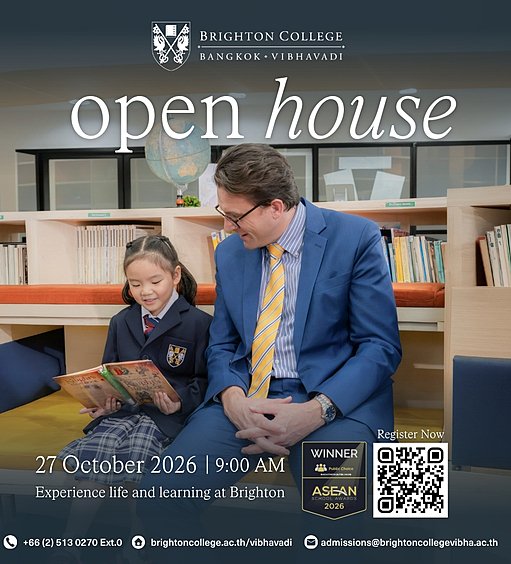
Discover how your child can flourish at Brighton College Bangkok Vibhavadi, where curiosity is encouraged, confidence is nurtured and kindness is at the heart of school life. Join our Open House and discover the Brighton approach to an outstanding British education.


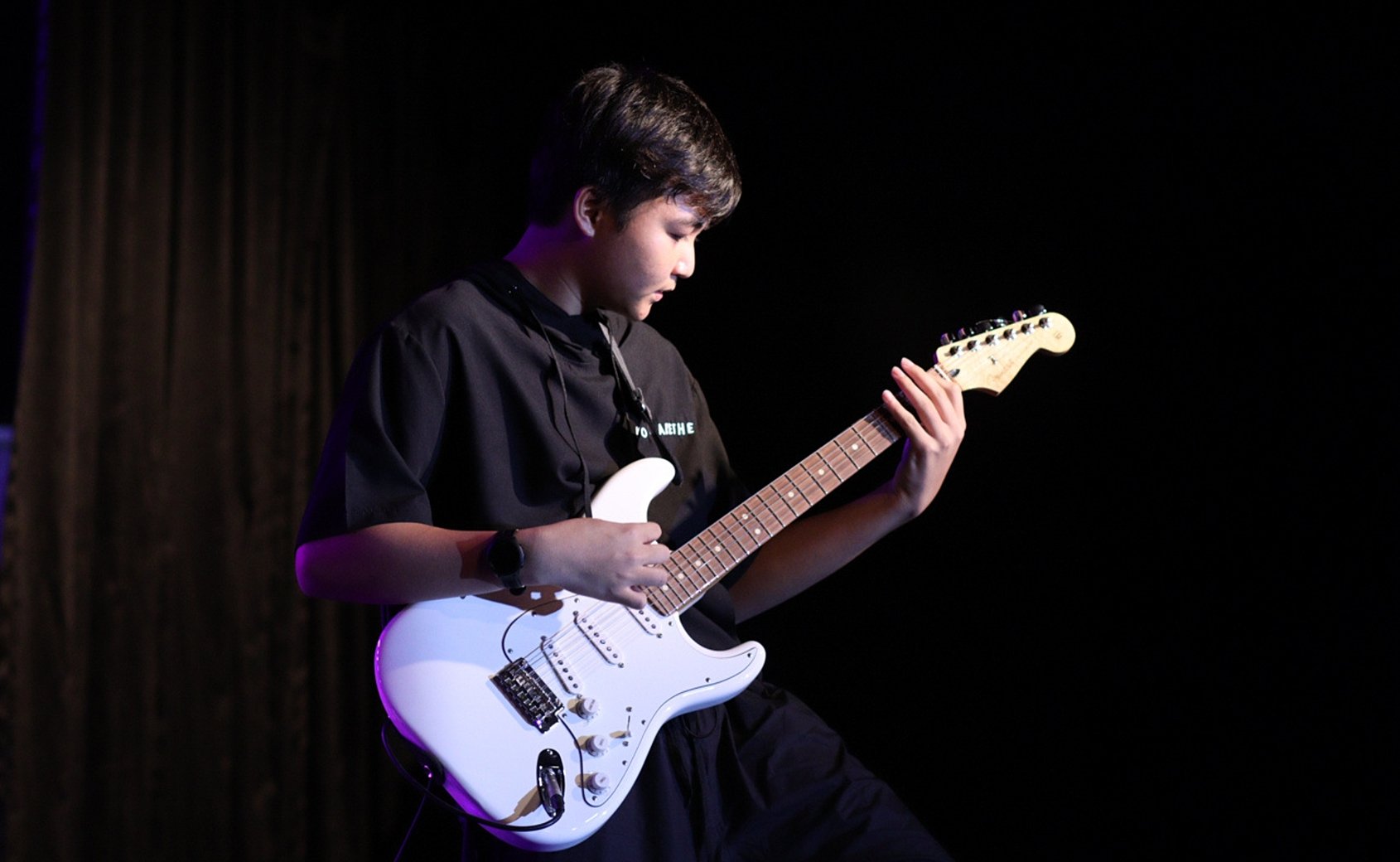
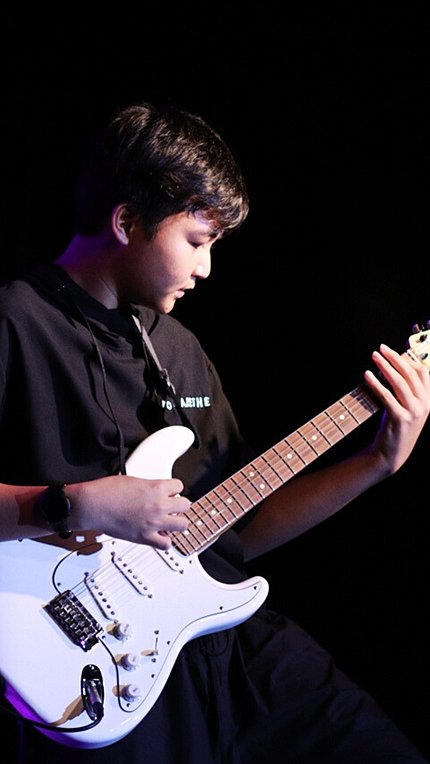
Applicants should demonstrate strong proficiency in a musical instrument or voice, supported by graded examinations from ABRSM, Trinity, or another recognised awarding body.
Music scholarships are available to pupils from Year 4 to Year 11. A total of two scholarships are offered in each of the following stages: Upper Key Stage 2 (Years 5–6), Key Stage 3, Key Stage 4 and Key Stage 5.
Applicants should demonstrate strong proficiency in a musical instrument or voice, supported by graded examinations from ABRSM, Trinity, or another recognised awarding body.
The value of a music scholarship is 25% fee remission for pupils new to Brighton College Bangkok Vibhavadi, and 15% for current pupils.
Successful candidates will be curious, motivated musicians who display exceptional musical ability and a clear commitment to contributing to the wider musical life of the College, acting as positive role models within the school community.
Attendance at the Music Scholarship Day is by invitation only and follows the completion of the Google Form, which requests supporting evidence of applicants’ musical experience and achievements.
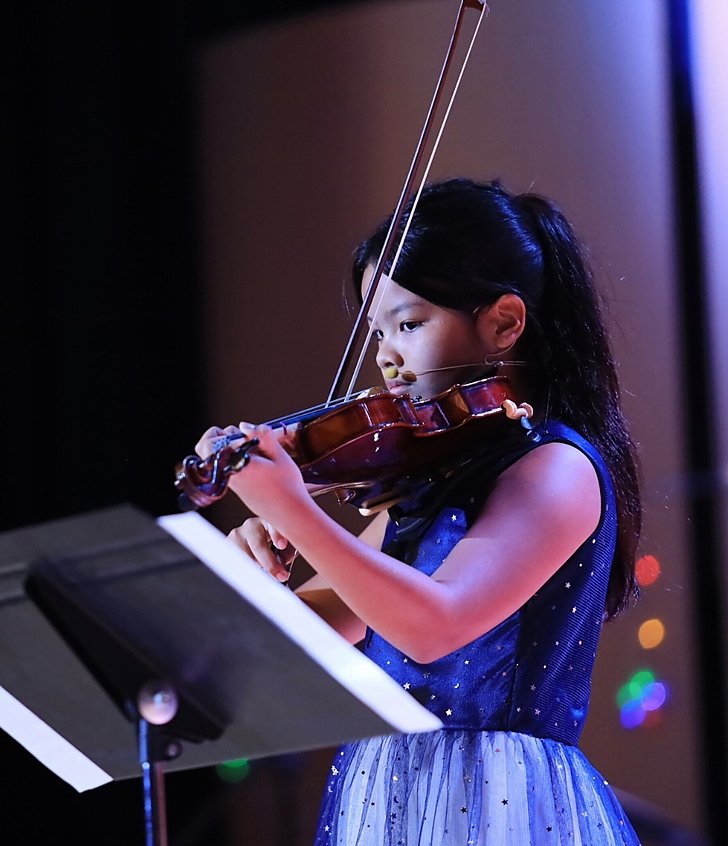

ดนตรี
Music scholarships are available for pupils from Year 4 to Year 11, with two awards offered at each key stage from Upper Key Stage 2 to Key Stage 5. Applicants must show strong instrumental or vocal ability, supported by recognised graded examinations.

กีฬา
Sports scholarships are available for pupils from Year 4 to Year 11, with two awards offered at each key stage from Upper Key Stage 2 to Key Stage 5. Applicants must demonstrate high-level performance in at least one sport at a local, national, or international level.
Academic
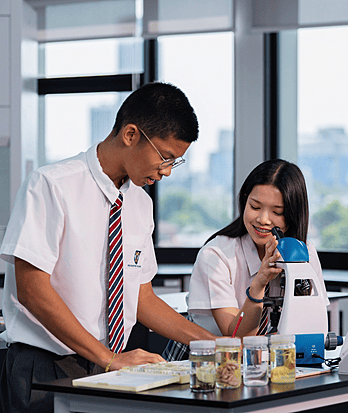
Academic scholarships for external pupils entering Year 9 (IGCSE) or Year 11 (A Level) from August 2026 are awarded at 5%–40% based on assessment results. Successful candidates are motivated, intellectually curious pupils who contribute positively as senior school role models.

ที่ไบรท์ตันคอลเลจ กรุงเทพ วิภาวดี นักเรียนชั้นมัธยมศึกษาปีที่ 6 จะได้ค้นพบโลกแห่งโอกาสมากมาย ตั้งแต่ความเป็นเลิศทางวิชาการไปจนถึงการผจญภัยนอกหลักสูตร มาร่วมกิจกรรมวันเปิดบ้านของเรา แล้วมาดูกันว่าลูกของคุณจะเติบโต ค้นพบสิ่งที่ตัวเองรัก และกลายเป็นตัวตนที่ดีที่สุดของตัวเองได้อย่างไร